blog/
Entrepreneurs, How 3PL Works, Outsourcing Fulfilment
Pick and Pack Services Melbourne: Why Great Ecommerce Fulfilment Starts Before the Order Arrives
Practical articles for online retailers who want to understand 3PL, improve fulfilment and know when it is time to hand over the work after checkout.
By
3PL Melbourne
Date
Oct 2026
Read time
5 minutes
Pick and pack sounds simple. An order comes in. Someone picks the product. Someone packs it. The parcel leaves. For a very small ecommerce business, that description may be reasonably accurate. At scale, it misses most of what makes fulfilment work. Good pick and pack is actually the result of dozens of decisions made before the customer ever reaches checkout. The better those decisions are, the easier each order becomes to fulfil quickly and accurately.
The warehouse needs to know exactly what it is looking for
Imagine an ecommerce brand selling one candle. Picking is easy. Now imagine the same brand has grown to seventy products across several fragrances, sizes, gift sets and seasonal editions. The physical products may look similar. The warehouse needs a reliable way to distinguish them. That is why clear SKU data, product identifiers and organised inventory locations matter. Good picking begins with certainty. The operator should know exactly which product the system is asking for and exactly where it is located.
Warehouse layout affects every order
Products are not necessarily stored randomly wherever space appears. A well-managed fulfilment operation considers how stock moves. Popular products may need to be more accessible than slow-moving inventory. Frequently ordered items may benefit from appropriate pick locations. Stock replenishment needs to happen before those locations run empty. Every unnecessary movement takes time. Across one parcel, the difference may be tiny. Across hundreds or thousands of orders, it becomes meaningful. That is why warehouse organisation is part of pick-and-pack performance even though the customer never sees it.
Good packing starts with clear brand rules
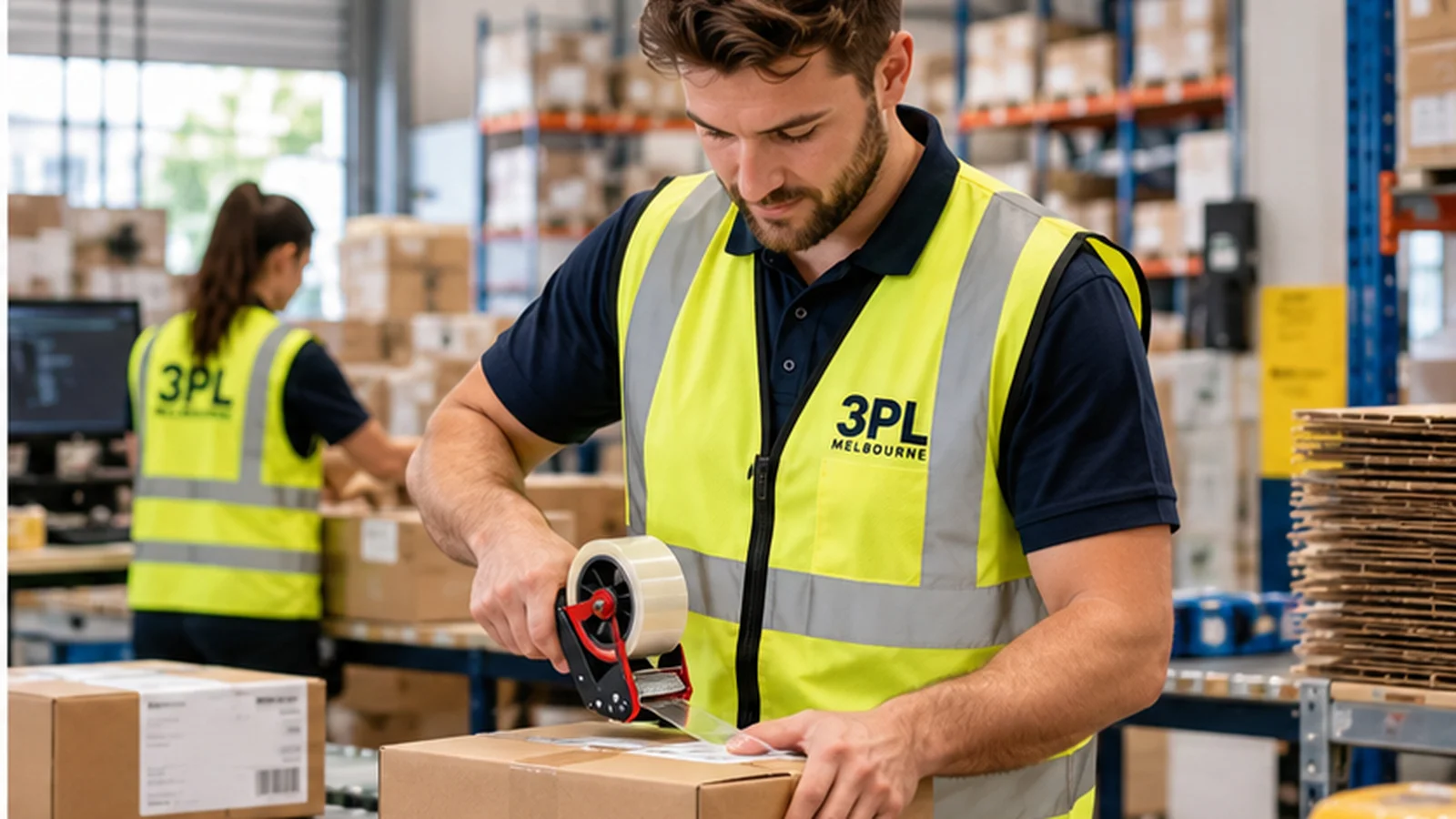
There is also more to packing than finding a box that fits. An ecommerce brand may require specific packaging, inserts or presentation. Perhaps every parcel needs tissue. Perhaps one product needs additional protection. Maybe first-time customers receive an insert that returning customers do not. The warehouse needs those requirements translated into clear packing rules. The more ambiguity there is, the more variation appears between parcels. A scalable fulfilment process aims to make the hundredth order as consistent as the first.
Speed and accuracy have to coexist
Fast fulfilment is valuable. Incorrect fulfilment is expensive. If speed becomes the only goal, the warehouse can end up creating more work further down the line. The wrong product may need to come back. A replacement needs to go out. Customer service becomes involved. Additional freight is incurred. That makes accuracy part of fulfilment efficiency rather than something separate from it. The best pick-and-pack process is therefore not simply the one that moves fastest. It is the one that moves efficiently while maintaining control.
Packaging should suit the product, not the warehouse’s convenience
An oversized carton may be easy to grab. That does not necessarily make it a good choice. Products need adequate protection, but excessive packaging can increase material use and sometimes freight cost. Packaging also shapes the customer’s first physical interaction with an online brand. A strong fulfilment process balances operational practicality with presentation. For growing ecommerce brands, this becomes increasingly important because the founder is no longer standing at the packing bench personally checking every order. The process needs to preserve the intended experience without relying on the founder being there.
Exceptions are part of the operation
Even a well-designed fulfilment process occasionally encounters an order that does not fit the normal pattern. Perhaps stock cannot be located. A product may have been damaged. An address may need review. An unusual order may require clarification. Good pick-and-pack operations do not pretend exceptions never happen. They create a process for identifying and resolving them before the parcel leaves incorrectly. That becomes particularly valuable as order volumes increase.
The real benefit is consistency
Founders sometimes think outsourcing pick and pack is primarily about speed. Speed is useful. But consistency may be even more valuable. Customers should receive the same standard of fulfilment whether the business sends 40 orders that day or 400. The founder should not have to wonder whether every parcel was packed correctly. The operation should be designed so that good fulfilment becomes the normal outcome. That is when pick and pack stops being a daily task and starts becoming scalable infrastructure.
Looking for reliable pick and pack services in Melbourne? 3PL Melbourne helps growing ecommerce brands manage inventory, order processing, packing and dispatch from one connected fulfilment operation.
More fulfilment guides
Keep reading
Related articles and useful next reads for online retailers learning how fulfilment works.
3PL basics, How 3PL Works, Outsourcing Fulfilment