
blog/
Customer experience
How 3PL Can Drive Customer Satisfaction and Brand Loyalty
Practical articles for online retailers who want to understand 3PL, improve fulfilment and know when it is time to hand over the work after checkout.
By
3PL Melbourne
Date
Aug 2026
Read time
5 minutes
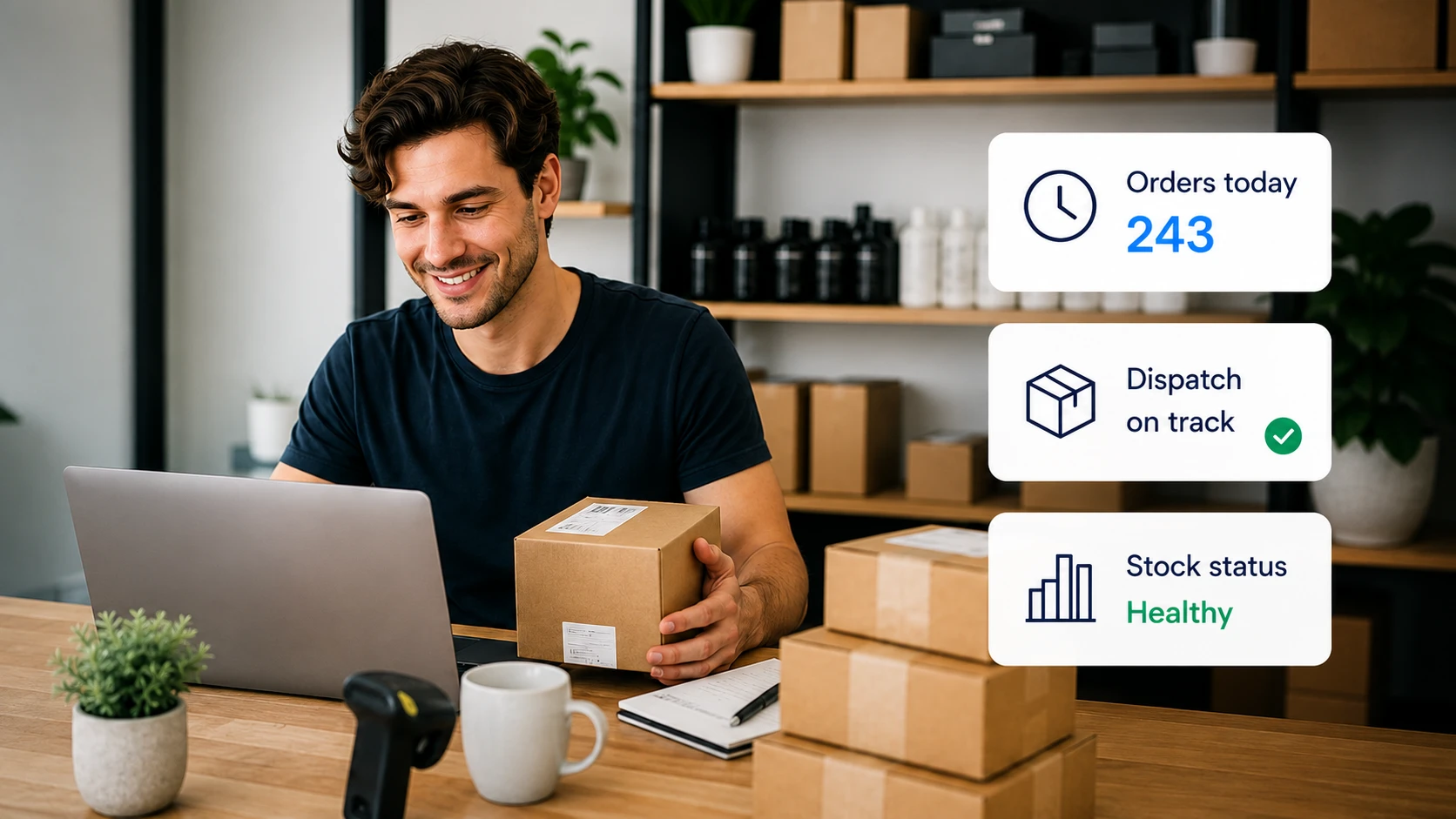
When businesses think about third-party logistics, the focus is usually operational.
Products need to be received, stored, picked, packed and dispatched. Orders need to leave the warehouse on time. Freight costs must be controlled, stock needs to be accurate and staffing levels must be managed efficiently.
These are all essential parts of third-party logistics, or 3PL. But they are only part of the picture.
Your fulfilment operation also has a direct influence on how customers experience your brand. Every order that arrives accurately, on time and in good condition reinforces trust. Every delay, damaged item, packing error or difficult return has the potential to weaken it.
For eCommerce businesses, the warehouse may sit behind the scenes, but its impact is highly visible to the customer.
Your 3PL partner represents your brand
Once a customer completes an online purchase, responsibility for the experience shifts from the website to the fulfilment operation.
The customer may never see the warehouse or meet the people handling their order, but they experience the results of their work. They notice whether:
- the correct product arrives;
- the order is dispatched promptly;
- tracking information is clear and accurate;
- the packaging protects the product;
- the parcel is presented professionally;
- special instructions are followed;
- returns are handled efficiently.
From the customer’s perspective, these are not separate logistics functions. They are all part of the brand experience.
A customer will not usually distinguish between a mistake made by the retailer, the warehouse, the courier or another service provider. They simply know that the brand did not deliver what it promised.
That is why the right 3PL provider should operate as an extension of your business, rather than as a disconnected supplier.
Reliable fulfilment builds customer trust
Customers expect their orders to arrive correctly and on time. When this happens consistently, it may not always attract attention, but it builds confidence in the brand.
Reliable fulfilment demonstrates that a business is organised, dependable and capable of delivering on its promises.
This is particularly important for growing eCommerce brands. Marketing may attract the first purchase, but the fulfilment experience can determine whether the customer returns.
Operational consistency helps create:
- stronger customer retention;
- more repeat purchases;
- positive reviews;
- fewer complaints and support enquiries;
- increased word-of-mouth recommendations;
- greater confidence in future purchases.
Happy customers can become brand advocates, recommending the business to friends, family and colleagues. In that sense, an effective 3PL operation does more than deliver orders. It supports long-term customer value.
Accuracy matters as much as speed
Fast delivery is important, but speed alone does not create a positive experience.
An order that arrives quickly but contains the wrong item is still a failed order. The same applies when products are damaged, quantities are incorrect or promotional materials are missing.
A strong 3PL operation balances speed with accuracy.
This requires structured receiving, storage, picking, packing and dispatch processes. Inventory must be recorded correctly, products need to be stored in suitable locations and orders should be checked before they leave the warehouse.
Barcode scanning, warehouse management systems and quality-control checkpoints can reduce the risk of human error. Experienced warehouse teams are equally important, particularly when orders include multiple products, bundles, inserts, promotional items or special handling requirements.
Accurate fulfilment protects both the customer experience and the cost of servicing the order. Every avoidable mistake can create additional freight costs, replacement costs, administration and customer service work.
Packaging is a customer touchpoint
For many eCommerce businesses, the delivery is the first physical interaction the customer has with the brand.
Packaging should first protect the product, but it can also reinforce the brand’s presentation and values.
This does not necessarily mean using elaborate or expensive packaging. A positive unboxing experience can be created through simple, well-executed details, including:
- clean and appropriately sized packaging;
- products arranged carefully inside the parcel;
- branded tissue, tape or inserts;
- clear product information;
- thank-you cards;
- care instructions;
- samples;
- promotional offers for a future purchase;
- recyclable or lower-waste packaging options.
These details must be operationally practical. A 3PL provider needs clear packing instructions, the correct materials and processes that can be repeated accurately across hundreds or thousands of orders.
The aim is not to add unnecessary complexity. It is to ensure the parcel reflects the standard the customer expects from the brand.
Surprise and delight should still be controlled
Unexpected inclusions can help a business stand out.
A sample, handwritten-style thank-you card, loyalty offer or relevant promotional item may encourage the customer to purchase again. These additions can be particularly effective during product launches, seasonal campaigns or customer retention programs.
However, surprise and delight initiatives still require careful management.
The right insert must go into the right order. Expired offers should not be included. Samples may need to be matched to specific products or customer groups. Some campaigns may have strict start and end dates.
A capable 3PL provider can help turn these marketing ideas into repeatable fulfilment instructions, ensuring the customer receives the intended experience without compromising order accuracy.
Communication shapes the delivery experience
Customer satisfaction is influenced not only by when an order arrives, but by how well the customer is kept informed.
Order confirmations, dispatch notifications and tracking updates reduce uncertainty and give customers confidence that their purchase is progressing.
Integration between the eCommerce platform, warehouse management system and delivery network can help provide timely information throughout the process.
When systems are properly connected, businesses can gain clearer visibility over:
- orders received;
- orders being processed;
- orders dispatched;
- tracking details;
- stock availability;
- delivery exceptions;
- returns.
This visibility also supports the customer service team. When a customer asks about an order, the business should be able to provide an accurate answer without contacting several different suppliers or searching through disconnected systems.
Good communication cannot prevent every delay, but it can make delays easier to manage. Customers are generally more understanding when they are informed early and given clear information about what happens next.
Returns are a chance to recover the relationship
Returns are often treated as a cost or inconvenience. But they are also an important customer experience.
Customers may return products because they ordered the wrong size, changed their mind, received a damaged item or found that the product did not meet their expectations. How the business responds can determine whether the customer purchases again.
A confusing, slow or inflexible returns process can damage trust. A clear and efficient process can preserve the relationship.
Effective returns management may include:
- clear return instructions;
- prompt receipt and assessment;
- accurate recording of returned products;
- defined processes for restocking, review or disposal;
- timely updates to the retailer;
- fast processing of replacements or refunds;
- identification of recurring product or delivery issues.
Returns data can also provide useful business insight. Repeated returns of a particular item may point to inaccurate product information, sizing issues, packaging problems, product damage or quality concerns.
A 3PL provider should not simply move returned goods back into a warehouse. It should help create visibility and control around what happens next.
Scalability protects the customer experience
Growth can place significant pressure on fulfilment operations.
A business may be able to manage orders internally at lower volumes, but problems can emerge as order numbers increase. Stock becomes harder to track, packing takes longer, dispatch deadlines are missed and customer enquiries begin to rise.
Seasonal peaks, promotions and product launches can create even greater pressure.
An experienced 3PL provider gives a business access to established warehouse infrastructure, systems and operational teams without requiring it to build everything internally.
The objective is not simply to process more orders. It is to maintain accuracy and service standards while volumes change.
A scalable fulfilment operation helps ensure that growth does not come at the expense of the customer experience.
Choosing a 3PL partner with a brand mindset
Not every 3PL provider will be the right fit for every business.
Cost is important, but it should not be the only consideration. The cheapest fulfilment option can become expensive if it leads to frequent errors, poor communication, lost stock or dissatisfied customers.
When assessing a 3PL partner, businesses should consider:
- experience with similar products and order profiles;
- inventory accuracy and reporting;
- warehouse management technology;
- eCommerce platform integrations;
- quality-control processes;
- packing and presentation capabilities;
- returns management;
- responsiveness and account management;
- capacity to manage changing volumes;
- ability to follow brand-specific requirements.
Most importantly, the provider should understand that every item it handles belongs to someone else’s brand.
Your eCommerce backend, handled
Third-party logistics may operate behind the scenes, but its effect on customer satisfaction is significant.
The right 3PL partner helps ensure that customers receive the correct products, presented appropriately and delivered as promised. It can also support better communication, smoother returns, stronger operational visibility and more consistent service as the business grows.
When fulfilment is handled well, customers may not think about the warehouse at all. They simply remember that the brand delivered a reliable and positive experience.
That is the real value of effective 3PL: not only moving products efficiently, but helping businesses protect their reputation, strengthen customer relationships and give people a reason to buy again.
Talk to the experienced team at 3PL Melbourne on 1300 337 100 to discuss how we can manage your eCommerce fulfilment and help your brand deliver a better customer experience.
More fulfilment guides
Keep reading
Related articles and useful next reads for online retailers learning how fulfilment works.
3PL basics, How 3PL Works, Outsourcing Fulfilment